Long before Princess Margaret Hospital stood on the site now known as 1909 Subi East, Whadjuk Noongar people gathered medicinal and edible plants on Country. Today, as the precinct enters a new chapter, public art is helping reconnect visitors with those stories.
One of the key works is Yandi Wildflowers by Noongar artist Dellas Bennell, a bronze sculpture inspired by the traditional yandi, or coolamon, used to carry babies, water, food and medicinal plants. For Bennell, the commission was both deeply personal and a significant milestone in her artistic career.
“It was such a meaningful project for me,” she says. “It’s only fitting that this yandi, which is a tool that was used long time ago to carry our babies, sits there as a reminder of that place.”
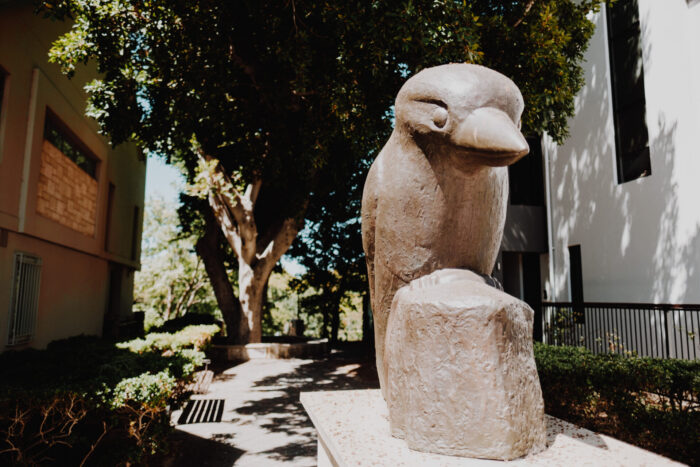
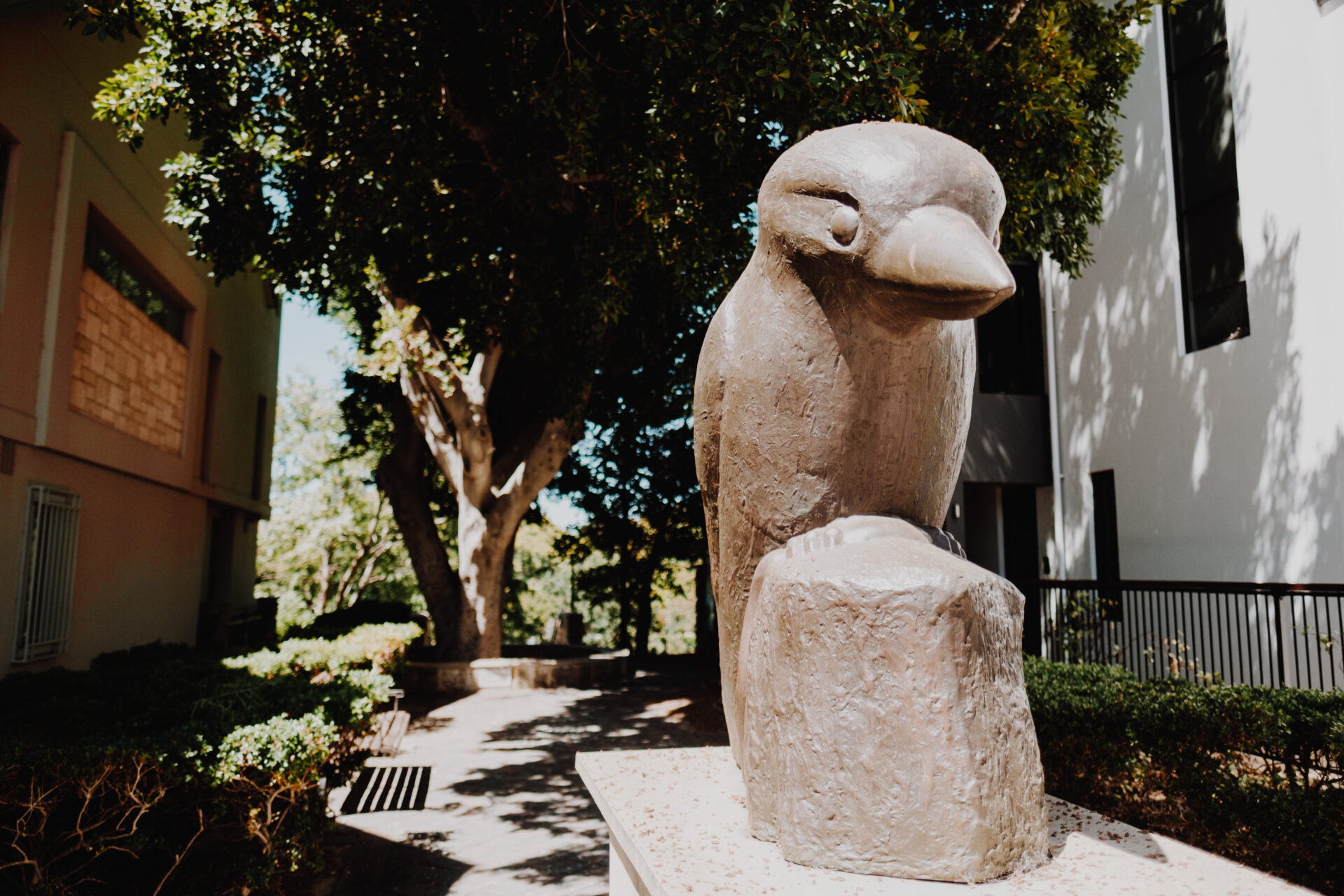
The artwork is just one example of how public art has become woven into the fabric of Subiaco and communities across Western Australia through the State’s pioneering Percent for Art program.
Introduced in 1989, the scheme requires up to one per cent of major construction budgets to be invested in public art. Originally focused on public infrastructure such as schools, hospitals and highways, it later expanded into local government planning processes, encouraging developers to integrate public art into new projects and public spaces.
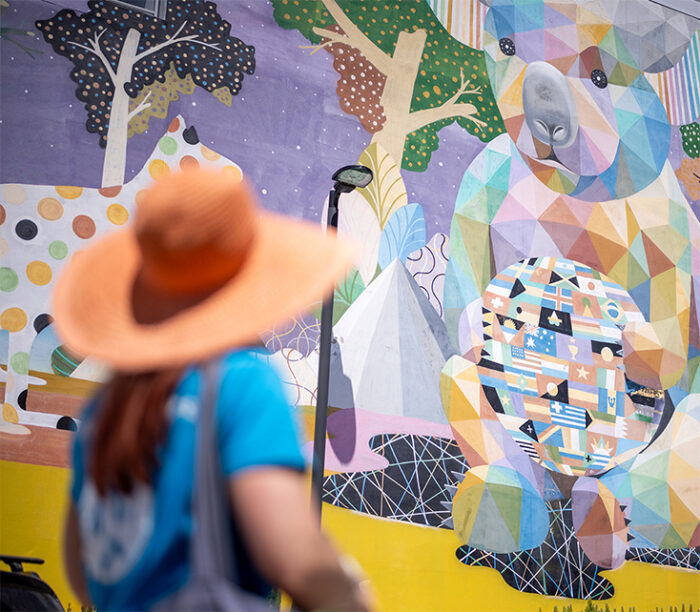
The result can be seen throughout Subiaco, from murals and sculptures to integrated artworks that help tell local stories and create a stronger sense of place.
Artist and urban planner Peter Ciemitis believes public art plays a vital role in creating vibrant communities.
“Visitors will seek out interesting and creative places,” he says. “Public art plays a large part in shaping the sense of a more sophisticated cultural ecosystem.”
Developers are increasingly recognising that value. Rather than treating public art as an afterthought, many now see it as an opportunity to strengthen a project’s identity and build connections with the community.
“Art can often drive a project’s identity, strengthen its connection to place and community, and help us create spaces that people genuinely want to spend time in,” says Rod Hamersley of ADC.
For mural artist Jerome Davenport, public art creates much more than visual appeal.
“Great public art isn’t decoration,” he says. “It’s infrastructure for identity.”
The program has also created important opportunities for artists. Projects like the Six Seasons Bidi Artwork trail at Subi East introduced several established creatives to public art for the first time, supported through mentoring and skills development programs.
Without Percent for Art, Bennell says those opportunities simply would not exist.
“It’s vital for us as Noongar artists to have that opportunity,” she says. “It really gave us that platform to present our work in the public art space.”
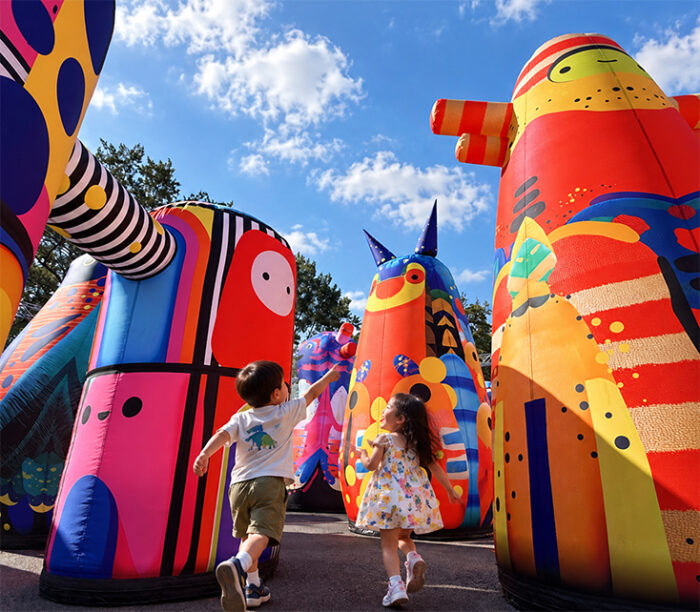
As Perth continues to evolve, many artists, developers and cultural leaders believe the next chapter of Percent for Art could extend beyond permanent sculptures and murals to include creative workspaces, temporary installations, performances and ongoing cultural programming.
What remains unchanged is the value of art in everyday life.
Whether it’s a sculpture commemorating thousands of years of cultural history, a mural that tells a local story, or a public artwork that sparks conversation, creativity helps people connect with place and with each other.
And in Subiaco, that’s becoming part of the landscape.
Written by Mark Naglazas – Edited by See Subiaco for website, to see the full article read the latest edition of ARTform.